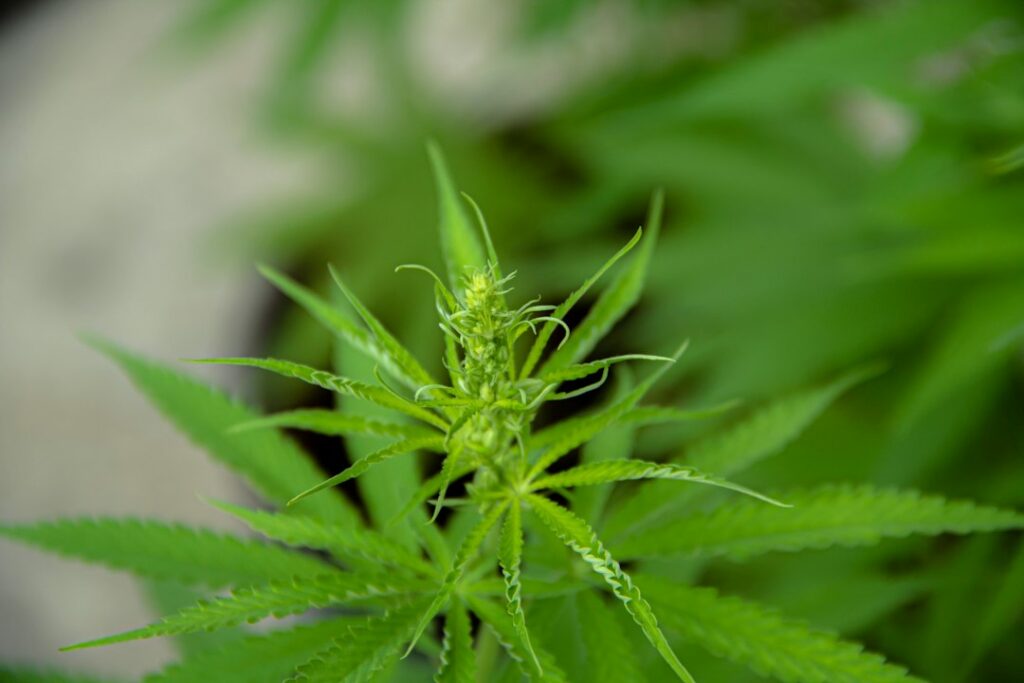
Learning about cannabis varieties becomes easier when shoppers understand the basic terminology used to describe different products. Sativa is one of the traditional classifications commonly found in cannabis discussions, especially when exploring flower. While the term has historical meaning, modern cannabis breeding has created a much wider range of hybrid genetics. For beginners, understanding the origins, characteristics, and product information associated with sativa provides a useful foundation for exploring today’s diverse cannabis market.
Contents
- What Does Sativa Mean?
- Why Are Sativa Varieties So Diverse?
- What Should Beginners Know About Appearance?
- What Are Terpenes?
- Why Should Beginners Look at Cannabinoid Information?
- Are Modern Sativa Products Pure Sativa?
- What Sativa Product Formats Can Beginners Explore?
- How Can Online Browsing Help Beginners?
- Why Is Modern Sativa Knowledge More Detailed?
- Conclusion
What Does Sativa Mean?
Sativa is a traditional classification historically associated with cannabis varieties from regions including Southeast Asia, Africa, and parts of Central America. Plants traditionally placed within this category were often described as taller, with narrower leaves and longer flowering structures.
These characteristics became familiar reference points in cannabis culture. However, modern cultivation has introduced extensive crossbreeding, so contemporary products may contain genetics from multiple traditional categories.
The term therefore works best as a starting point for product exploration.
Why Are Sativa Varieties So Diverse?
Sativa is not a single cannabis variety. It represents a broad group containing numerous cultivars and hybrids.
Individual products can differ in color, flower structure, aroma, flavor, cannabinoid content, and terpene composition. This means two products carrying a sativa classification can still have noticeably different characteristics.
For beginners, this diversity is useful because it creates many opportunities to explore different cannabis profiles.
What Should Beginners Know About Appearance?
Flower appearance can provide an initial introduction to differences between cannabis varieties. Consumers may notice variations in color, bud structure, density, size, and visible trichome coverage.
Traditional sativa-associated plants were often described as having more open growth structures, although modern cultivation and hybrid genetics have created considerable variation.
Appearance is therefore one useful characteristic to observe alongside product descriptions and chemical information.
What Are Terpenes?
Terpenes are naturally occurring compounds that contribute to the aromas and flavors found in cannabis. They are also present in many other plants, fruits, herbs, and spices.
Different terpene combinations can create very different sensory profiles. Sativa-associated products may feature citrus, tropical, fruity, floral, herbal, pine-like, or spicy notes.
For beginners, exploring terpene information can be a simple way to understand why individual cannabis varieties can smell and taste different.
Why Should Beginners Look at Cannabinoid Information?
Cannabinoids are another important part of a cannabis product profile. THC and CBD are among the most familiar cannabinoids, while some product descriptions may provide information about additional compounds.
Cannabinoid levels can vary between individual cultivars. Reviewing this information gives beginners a clearer picture of how products differ rather than relying only on traditional classification terms.
Are Modern Sativa Products Pure Sativa?
Modern cannabis genetics are highly diverse because of extensive breeding. Many products described using the sativa classification are hybrids containing genetics from multiple lineages.
This means that a sativa label does not necessarily describe every characteristic of a product. Cultivar names, cannabinoid information, terpene profiles, and product descriptions can provide additional context.
This broader approach is particularly helpful for beginners learning about contemporary cannabis.
What Sativa Product Formats Can Beginners Explore?
Cannabis products are available in several formats. Flower remains one of the most recognizable options, while pre-rolls, vapes, concentrates, edibles, and other products provide additional formats to explore.
Online catalogs often separate these formats into dedicated categories, making it easier for beginners to understand the differences between products.
Kush Station Online Dispensary Canada provides an online environment where consumers can explore a variety of cannabis products across different categories and formats.
How Can Online Browsing Help Beginners?
Digital dispensaries make product discovery more structured by bringing product descriptions, categories, and selections together in one place.
Beginners can browse at their own pace and review information across several products. This can make it easier to become familiar with cannabis terminology and recognize differences between individual selections.
A well-organized catalog also reduces the complexity of exploring a broad product range.
Why Is Modern Sativa Knowledge More Detailed?
Cannabis cultivation has developed considerably, creating products with increasingly diverse genetics and characteristics. Traditional categories remain useful for basic organization, but modern product descriptions often provide much more information.
Combining classification, cultivar, cannabinoid, terpene, aroma, and format information creates a fuller understanding of individual products.
Conclusion
Understanding sativa cannabis begins with learning the traditional meaning of the classification and then recognizing how modern genetics have expanded it. Today’s sativa-associated products can differ widely in appearance, aroma, terpene composition, cannabinoid content, and format. By exploring these characteristics through clear product descriptions and organized online catalogs, beginners can develop a practical understanding of sativa and the diversity found throughout the modern cannabis market.
Key Points
- Sativa is a traditional classification of cannabis historically associated with plants from Southeast Asia, Africa, and Central America.
- Modern cannabis breeding has resulted in a wide range of hybrid genetics, making sativa a broad group of numerous cultivars and hybrids rather than a single variety.
- Sativa-associated products can vary significantly in color, flower structure, aroma, flavor, cannabinoid content, and terpene composition.
- Terpenes are compounds that contribute to the flavors and aromas of cannabis, with sativa products exhibiting notes like citrus, tropical, and floral.
- Many modern products described as sativa are hybrids containing genetics from multiple lineages, so additional product information should be consulted for clarity.
- Digital dispensaries organize product descriptions and categories, helping beginners explore cannabis terminology and understand differences between products.
