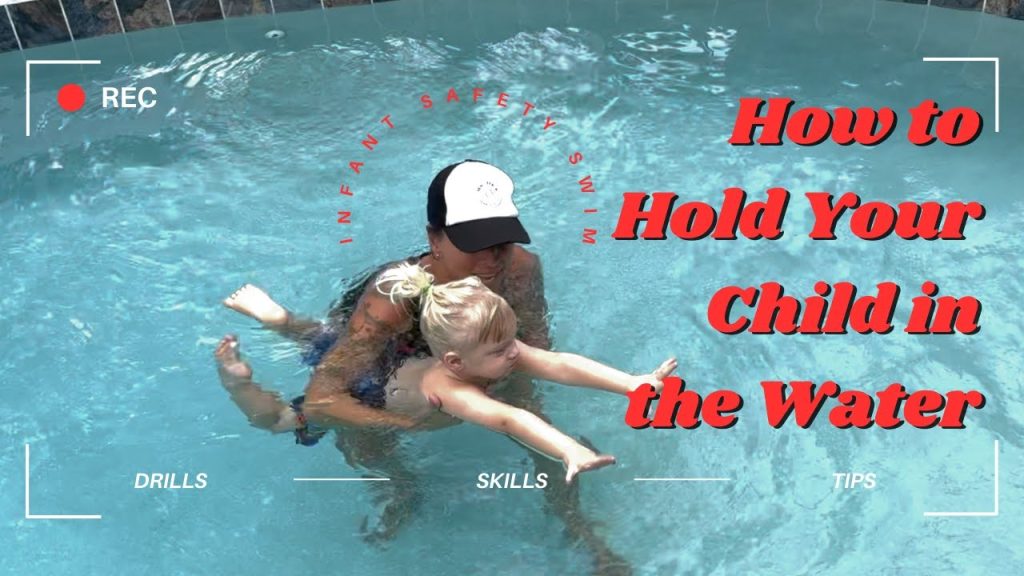

Many parents see the same moment. Their child is fine in shallow water, happy to splash and move around, then they reach a point where the floor drops away and everything changes. The child freezes, clings to the wall, or refuses to go any further. Parents often assume the fear is about depth itself. In my experience as a long time swimming blogger, that is rarely the real reason. Most children do not fear “deep water” as a concept. They fear what deep water represents to them – loss of control, uncertainty, and the feeling that they cannot recover if something goes wrong.
This is also why families often begin searching for swimming lessons near me when deep water fear appears. They want calm, structured support rather than trying to push their child through fear on their own. If you want an example of a programme that builds confidence step by step, you can start here: swimming lessons near me.
Deep water fear is usually fear of losing control
Children feel safe when they can stand up. The ability to plant feet on the pool floor gives immediate control. In shallow water, a child can pause, regain balance, and breathe without needing any special skill.
In deeper water, that safety option disappears. The child cannot stand. They cannot rest in the same way. Even if an instructor is right next to them, the child may feel exposed.
This change triggers a simple question in the child’s mind, even if they cannot put it into words. “What happens if I cannot cope?” Until a child has reliable ways to cope, deep water will feel unsafe.
Confidence gaps show themselves most clearly at the deep end
Deep water does not create the problem. It reveals the problem. If a child has not yet developed strong foundations such as floating, breathing control, and calm recovery, deep water is where it becomes obvious.
Many children can swim short distances in shallow water while still lacking the skills that make them truly secure. They might keep their head high, kick quickly, and hold their breath. They get across, but they are tense. They rely on effort rather than control.
Once they cannot stand, effort feels less reliable. The child then pulls back, not because they are stubborn, but because their body knows it does not have a calm recovery plan.
Breathing is the main trigger for deep water panic
Breathing is the centre of water confidence. When a child fears deep water, they often fear losing breathing control. They may worry that water will hit their face. They may worry they will inhale water. They may worry they will not get to air quickly enough.
When a child feels uncertain, they often hold their breath. Breath holding increases tension and creates urgency. That urgency is what turns fear into panic.
A child who can exhale calmly in water and return to breathing without stress will almost always cope better in deep water. This is why the best programmes teach breathing and calm control before they push deep water independence.
Floating is the missing piece for many children
Many children fear deep water because they do not fully trust buoyancy. They may have practised floating, but only with support. They may have floated for a second, then stood up quickly. They may still believe that if they stop moving, they will sink.
Deep water challenges that belief. If a child thinks they must keep moving to stay safe, deep water will feel exhausting. It will also feel frightening, because they cannot rest by standing.
Floating teaches children that rest exists in water. When a child trusts that they can float, deep water becomes less threatening. It turns into a place where they can pause and recover, not a place where they must fight.
Children fear deep water when they do not trust recovery
A calm swimmer always has recovery options. They can float on the back. They can hold the wall. They can roll to breathe. They can regain posture after a splash. They can stop and reset.
A nervous swimmer often has only one option in their mind – get to the side fast. That option feels risky in deep water because the side may feel far away.
This is why recovery skills matter more than distance. The goal is not to swim long lengths at speed. The goal is to help a child know what to do if they feel unsure.
Deep water can feel different to the senses
Deep water often looks darker. The pool floor is not as clear. The water may feel cooler. The space may feel louder. There may be more movement from other swimmers.
For some children, these sensory cues trigger anxiety. Even if the water is safe, the environment feels more intense.
A good instructor recognises this and introduces deep water in small steps, with clear routines and predictable progression. Familiarity reduces sensory stress.
Why forcing deep water often makes fear worse
Some adults respond to deep water fear by trying to push through it quickly. They encourage the child to jump in, to “just try it”, or to “stop being scared”. This approach usually backfires.
A child who is forced into deep water before they have coping skills learns one lesson. Deep water equals panic. That belief can stick for a long time.
The better approach is gradual exposure. Build recovery skills first. Then increase depth in small steps while keeping the child calm. Progress should feel controlled, not sudden.
How good instructors build deep water readiness
The best instructors do not treat deep water as a separate challenge. They treat it as the next step once foundations are secure. They teach children to stay calm, to breathe, and to recover.
They often build readiness through a steady sequence:
- Comfort with face wetting and breathing control
- Floating practice until the body relaxes
- Push and glide to feel buoyancy
- Simple rolls and turns for recovery
- Short deep water moments with support
- Gradual reduction of support as confidence grows
This sequence works because it gives the child control at each stage. The child learns that deep water is manageable because they have tools to cope.
If you want to see how a structured programme sets out these stages, it is worth reading the lesson approach on swimming lessons. A clear progression plan often makes the difference between a child who fears deep water for years and a child who becomes comfortable within a few months.
What parents can do to support deep water confidence
Parents can support deep water confidence without teaching technique. The best support is emotional and practical. Stay calm. Avoid pressure. Reinforce small wins.
If your child fears deep water, focus on these ideas:
- Praise calm behaviour, not bravery stunts
- Avoid comparisons with other children
- Do not negotiate or argue poolside
- Let the instructor lead the skill progression
- Keep feedback short and positive after lessons
Deep water confidence grows through repeated safe experiences. It rarely grows through one big leap.
How to tell if your child is ready for deep water
Readiness is not about age. It is about skills and calm behaviour. Children tend to cope better in deep water when they can do these things without panic:
- Put the face in the water calmly
- Exhale and inhale with control
- Float with reduced tension
- Stop moving and stay composed
- Recover after a splash
- Move to the side without rushing
If those foundations are not there yet, it is normal for deep water to feel too much.
Why deep water fear often disappears faster than expected
Once the right foundations are in place, deep water fear can fade quickly. That is because the fear was never about depth alone. It was about uncertainty.
When children learn they can float, breathe, and recover, deep water stops feeling like a cliff edge. It becomes another part of the pool, with the same rules and the same control.
This is why confidence based teaching often produces sudden breakthroughs. The child realises they can cope, and fear drops.
A calm recommendation for families in Leeds
If you are based locally and your child fears deep water, choosing a structured programme that prioritises confidence makes a noticeable difference. For parents searching specifically for swimming lessons in Leeds, you can review the local options here: swimming lessons in Leeds. A steady approach that builds breathing, floating, and recovery skills is the most reliable route to deep water confidence.
Closing point
Children fear deep water because deep water removes the safety of standing. It exposes gaps in breathing, floating, and recovery. The solution is not to force the child to be brave. The solution is to give them tools that create real control.
Once those tools are in place, deep water stops being scary. It becomes a space the child understands. Calm confidence replaces tension, and progress follows naturally.
